Understanding Delta 9 Distillate: A Deep Dive into Cannabis Concentrates
What Makes Delta 9 Distillate Stand Out?
If you have spent any time around cannabis concentrates, you have likely come across terms like THC distillate, cannabis oil, and full-spectrum extract. Among these, delta 9 distillate has gained a reputation for its potency and versatility. Unlike some other extracts that prioritize a wide range of cannabinoids, delta 9 distillate is refined to deliver a concentrated dose of the most famous psychoactive compound in cannabis. For those who value precision and reliability in their experience, this type of distillate offers something worth exploring.
I remember the first time I tried a high-quality distillate cartridge from a local shop. The clarity of effect was striking. It was not just strong; it was predictable. That consistency is what draws many experienced users to delta 9 distillate. It strips away the guesswork and lets you focus on the experience itself. Whether you are filling your own vape cartridge or using a branded syringe for precise dosing, the delta 9 distillate provides a clean, potent baseline that other concentrates can struggle to match.
The Distillation Process: How It Works
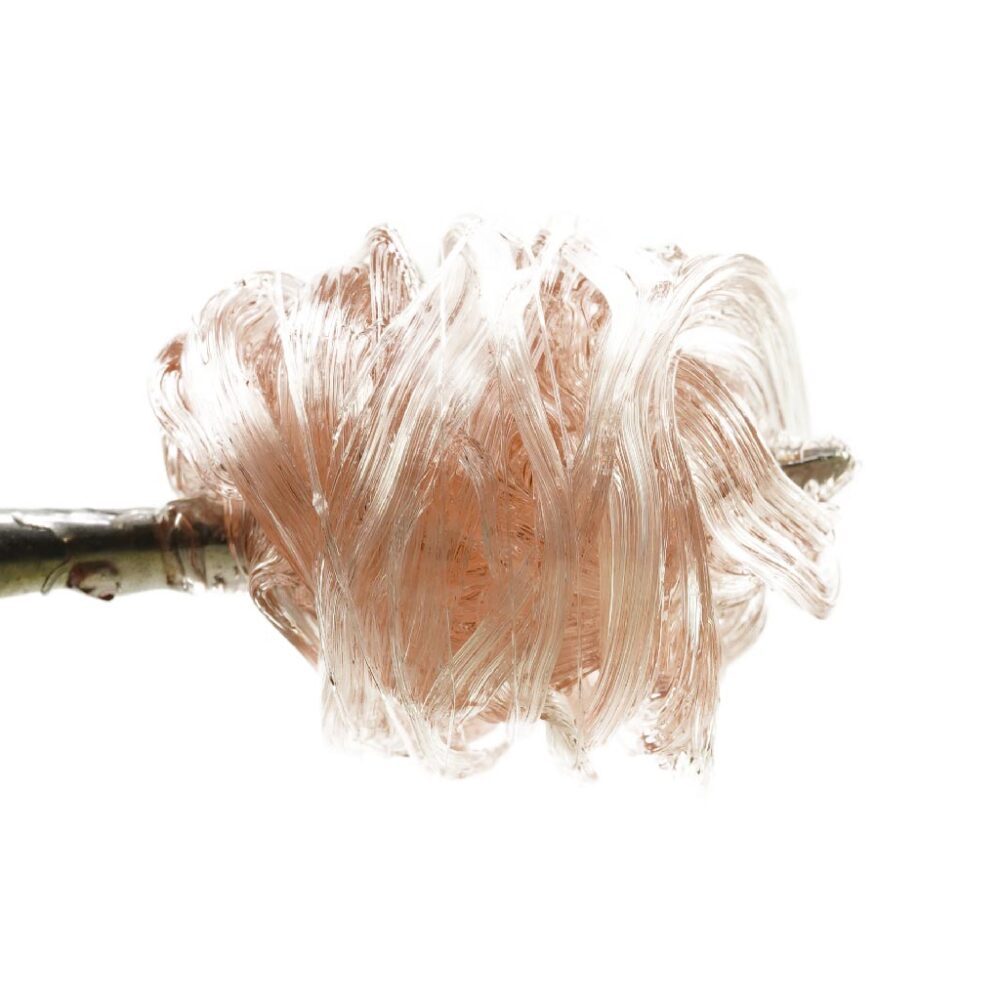
The distillation process behind delta 9 distillate is both an art and a science. It begins with plant material rich in cannabinoids. Through methods like CO2 extraction or solvent-free distillation, producers separate the desired compounds from the rest of the plant matter. The goal is to isolate delta-9 tetrahydrocannabinol (THC) while minimizing unwanted impurities. This is not the same as making a simple cannabis oil, where you might get a broader mix of lipids and plant waxes. Distillation refines the extract further.
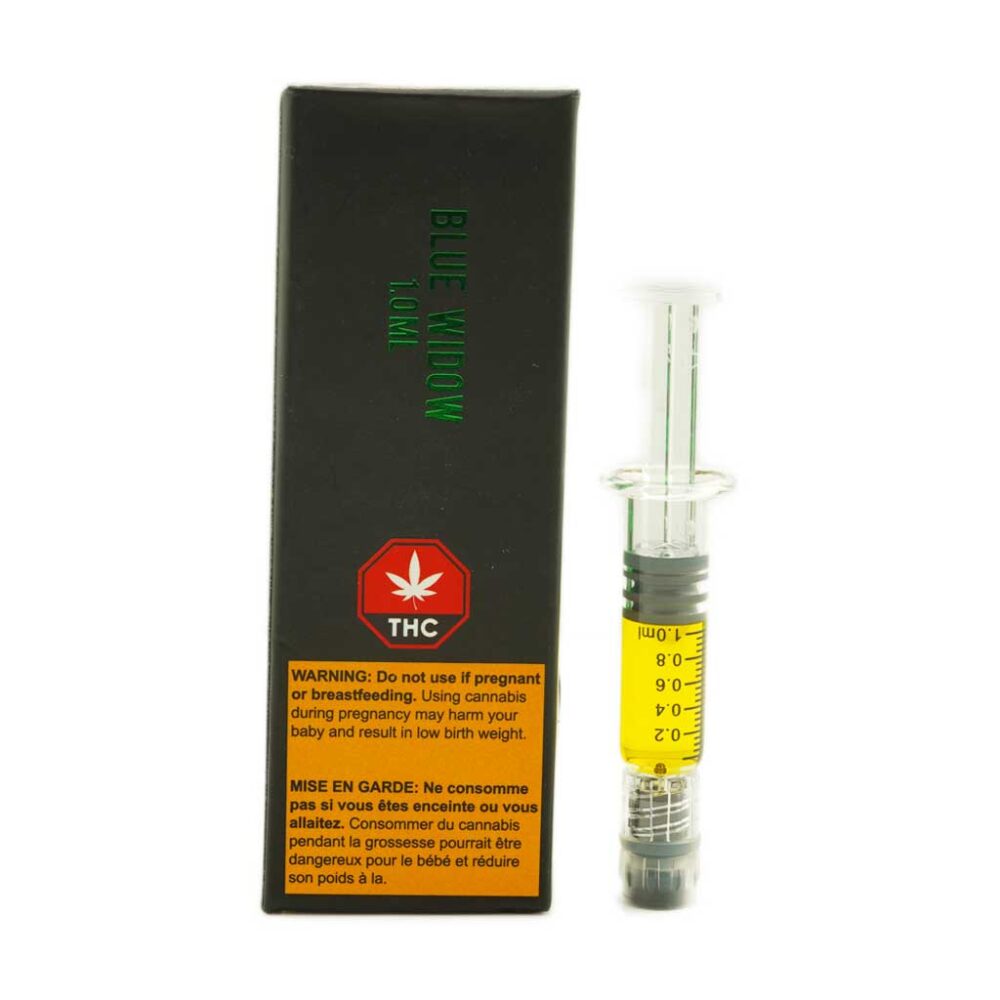
One common approach involves short-path distillation, a technique that uses heat and vacuum to vaporize and recondense specific molecules. The result is a solvent-free distillate that is both potent and clean. Many manufacturers then combine this with a carrier like MCT oil to create a vape-ready liquid. The final product is often sold in a distillate cartridge or a branded syringe, making it easy to measure and use. I have seen people use these for everything from dabbing to filling their own cannabis vape pens. The versatility is part of the appeal.

Comparing Delta 8 and Delta 9 Distillates
If you have browsed a site like Kush Station, you have likely noticed both delta 8 distillate and delta 9 distillate listed alongside each other. They sound similar, but the effects differ noticeably. Delta 8 THC is known for a milder, less psychoactive high that many find more functional for daytime use. Delta 9 THC, on the other hand, is the classic intoxicating compound that most people associate with cannabis. The delta 9 distillate delivers that full, familiar experience.
Choosing between them depends on your tolerance and what you are looking for. A friend of mine who prefers a gentle lift uses delta 8 distillate in her daily vape. For evenings or weekends, she switches to the delta 9 version. The cannabinoid profile of each product determines the character of the experience. Some brands offer indica distillate for relaxation and sativa distillate for energy, though with concentrated distillates the differences can be subtle. What matters most is the quality of the distillation and the accuracy of the potency testing.
Practical Uses: Dabbing, Vaping, and Dosing
Delta 9 distillate is not just a lab curiosity; it is a practical tool for everyday cannabis users. Many people use it for dabbing, which involves vaporizing a small amount on a hot surface and inhaling the vapor. The terpene profile of the distillate contributes to the flavor, even in a concentrated form. Others prefer to fill a vape cartridge with the distillate and enjoy it throughout the day. The consistency of a high-quality distillate means you can rely on the same effect every time.
For those who need precise doses, a branded syringe is a game-changer. You can measure out exactly how much you want, whether it is a microdose for subtle relief or a larger amount for a more intense session. I have used syringes from Kush Station and found them accurate and clean. The key is to start low and go slow, especially if you are new to THC distillate. Potency can be surprisingly high, and third-party lab results are the best way to verify what you are getting.
Quality Indicators: What to Look For
Not all delta 9 distillate is created equal. Several factors determine whether a product is worth your time and money. Here are a few things I always check:
- Third-party lab testing: Reputable brands publish certificates of analysis that show the exact cannabinoid profile and confirm the absence of contaminants.
- Solvent-free extraction: A solvent-free distillate is cleaner and safer, especially if you are inhaling it.
- Clear labeling: The product should state whether it is delta 8 or delta 9 distillate, and ideally whether it is an indica distillate or sativa distillate.
- Consistency of the liquid: A good distillate should be free of cloudiness or sediment.
- Brand reputation: Established names like Kush Station have built trust through consistent quality and transparency.
I once bought a cheap delta 9 distillate online that turned out to be mostly filler. The effect was weak and the taste was off. Since then, I have learned to prioritize third-party lab reports. They tell you more than any marketing copy ever could. A full-spectrum extract might be preferable for some, but for raw potency and clarity, a well-made distillate is hard to beat.
The Role of Terpenes and Cannabinoids
The terpene profile of a distillate affects both its aroma and its effect. Even in a concentrated delta 9 distillate, trace terpenes can survive the distillation process. These compounds contribute to the entourage effect, where multiple cannabinoids and terpenes work together. That said, a distillate is not the same as a full-spectrum extract. If you want the whole range of plant compounds, a less refined cannabis concentrate might be better. The trade-off is that you lose some potency and predictability.
For medical users who need consistent dosing, delta 9 distillate is often the better choice. The cannabinoid profile is more predictable, and the potency testing gives you confidence in each dose. I have spoken with people who use distillate for chronic pain and anxiety. They appreciate being able to measure exactly how much they are taking. The branded syringe format makes this even easier. You draw up the exact amount and go.
Storage and Handling Tips
Delta 9 distillate can degrade if not stored properly. Heat, light, and air are the main enemies. I keep my distillate cartridges in a cool, dark place, and I use them within a few months of opening. If you buy in bulk, consider dividing the distillate into smaller containers to limit exposure. A cannabis vape pen with a sealed cartridge can also help preserve the quality. Always check the expiration date if your product has one, and look for signs of separation or discoloration before use.
One thing I have learned the hard way: do not leave a distillate cartridge in a hot car. The liquid can thin out and leak, and the potency can drop. Treat it like a fine essential oil, because that is essentially what it is. A little care goes a long way toward maintaining the full experience.
Final Thoughts on Delta 9 Distillate
Delta 9 distillate represents a refined approach to cannabis consumption. It prioritizes potency and consistency, making it a favorite among experienced users and those who need reliable dosing. Whether you prefer dabbing, filling a vape cartridge, or using a branded syringe, the quality of the distillate determines the quality of the experience. Look for solvent-free distillate, check the third-party lab reports, and choose a trusted source like Kush Station for your purchases.
The world of cannabis concentrates can feel overwhelming, but delta 9 distillate cuts through the noise. It is a direct, honest product that delivers what it promises. If you have not tried it yet, start with a small amount and see how it fits into your routine. You might find, as many have, that it becomes a staple in your cannabis toolkit.